
Machines, materials & certs6 min read
OEKO-TEX STANDARD 100: where it came from, what it stands for, and the socks we make under it
By Jeon Yeon Su · Reviewed by the Valortex sales team
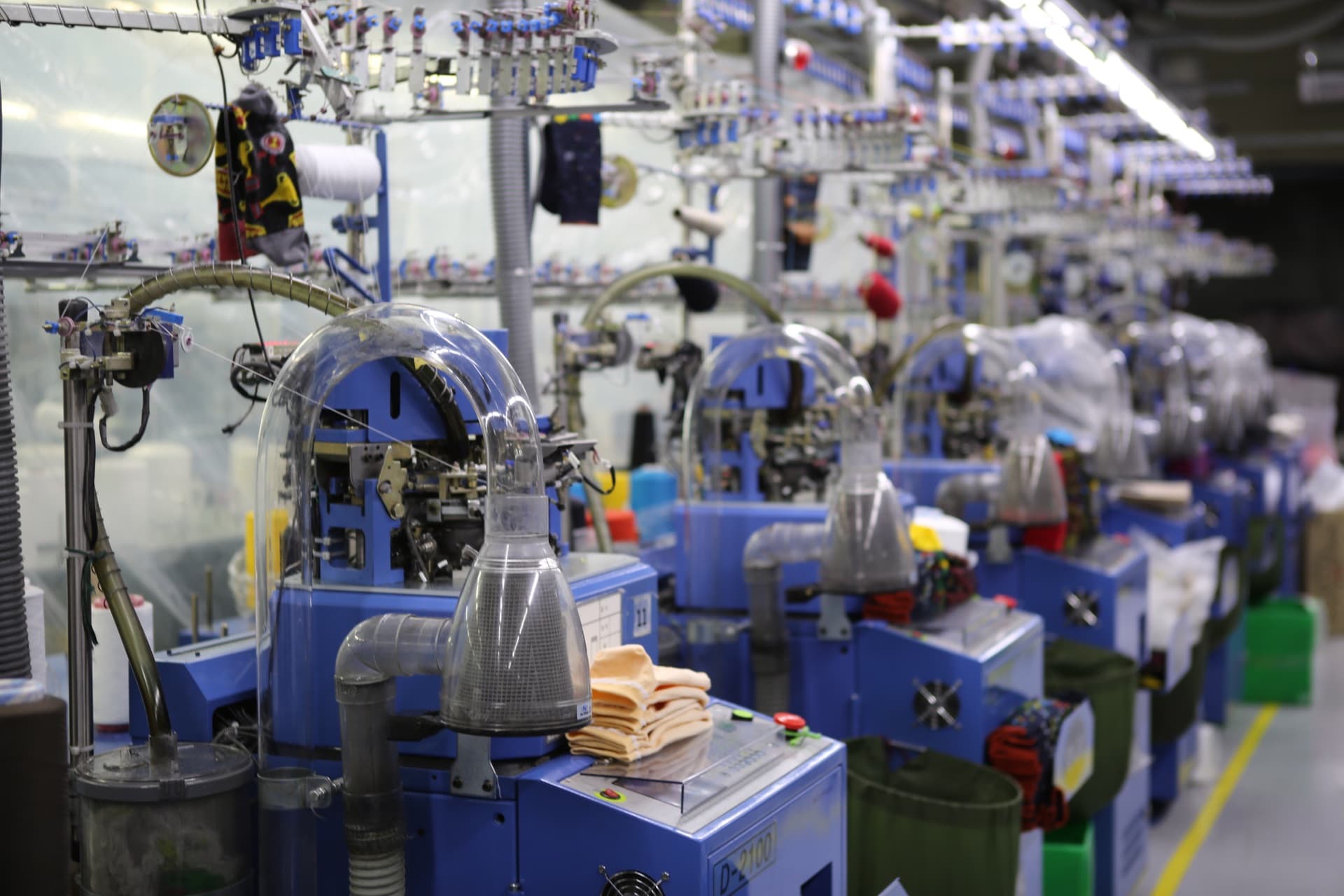
A sock spends more hours against skin than almost anything else we wear. So before we talk about pattern or handfeel, we ask a plainer question. Is this sock safe to wear?
The answer the textile trade shares is OEKO-TEX. This piece covers where the certification came from, what it means for a sock maker to hold it, and the standard of our own that we add on top.
Where OEKO-TEX came from
The story starts in Austria in 1989. Public interest in what textiles do to the body and to the environment was growing, and the Austrian Textile Research Institute developed a testing scheme to answer it. In March 1992 that institute joined with the Hohenstein Research Institute in Germany to found the OEKO-TEX Association. The same year brought the label that is still the most widely used today, STANDARD 100.
The "Oeko" in the name comes from the German word for ecology. The idea of textiles that respect both human health and the environment has been in the name from the first day.
More than thirty years on, OEKO-TEX is headquartered in Zurich and works through 17 independent partner institutes, with support in more than 70 countries. In the 2024/2025 financial year alone it issued more than 57,000 certificates.
What STANDARD 100 checks
OEKO-TEX describes STANDARD 100 as a label for textiles tested for harmful substances. The test does not stop at the fabric. Every thread, button and accessory is tested against a list of more than 1,000 harmful substances.
There are four product classes, set by how the product is used. The closer to skin and the younger the wearer, the stricter the limits.
| Class | Covers |
|---|---|
| I | Articles for babies and children up to 36 months. The strictest |
| II | Articles worn in direct contact with skin |
| III | Articles with no direct skin contact |
| IV | Furnishing and decoration materials |
The classes describe use, not rank. Socks are worn against skin, so Class II is their home. Socks for children under 36 months follow Class I.
What it means to be an OEKO-TEX sock maker
Holding the certificate is a set of promises.
- Socks that do no harm — socks inside the certified scope are made from yarns, trims and finishes that have passed testing for harmful substances. The wearer does not have to read a chemical list to trust them.
- People and planet together — OEKO-TEX began with textile ecology and health. What STANDARD 100 itself verifies is the absence of harmful substances in the product. Our responsibility to the environment we carry alongside it, under ISO 14001.
- Not a badge we gave ourselves — the testing is done by an independent institute. Limit values are reviewed at least once a year, and a certificate lasts one year. It is a place you keep only by being tested again and passing again.
- Open to anyone — enter a certificate number in the OEKO-TEX Label Check and you can see for yourself whether it is valid.
In the European Union, from 27 September 2026 a sustainability label has to rest on a certification scheme verified by an independent third party. Self-made marks are losing ground, and verified ones carry more weight each year. A label that a yarn spinner, a dye house, a knitting mill, a brand and the person wearing the sock all read the same way is a rare thing.
So that socks worn on skin can be trusted
Valortex renews its STANDARD 100 certificate every year. The current one reads as follows.
- Certificate number — 2605189
- Institute — Centexbel, Belgium
- Product class — II, products with direct contact to skin
- Valid until — 31 May 2027
- Scope — socks knitted from blends of cotton, nylon, polyester, acrylic and wool yarns, with spandex, rubber yarn covered with nylon or polyester, and metallic yarn, including dyeing and softener finishing.
That covers the fibres and finishes most socks are made from. When a design calls for a material or trim that is not written in the scope, we check coverage and any additional testing before the order is placed. Trust, as we see it, is built one check at a time.
The certificate does not vouch for quality
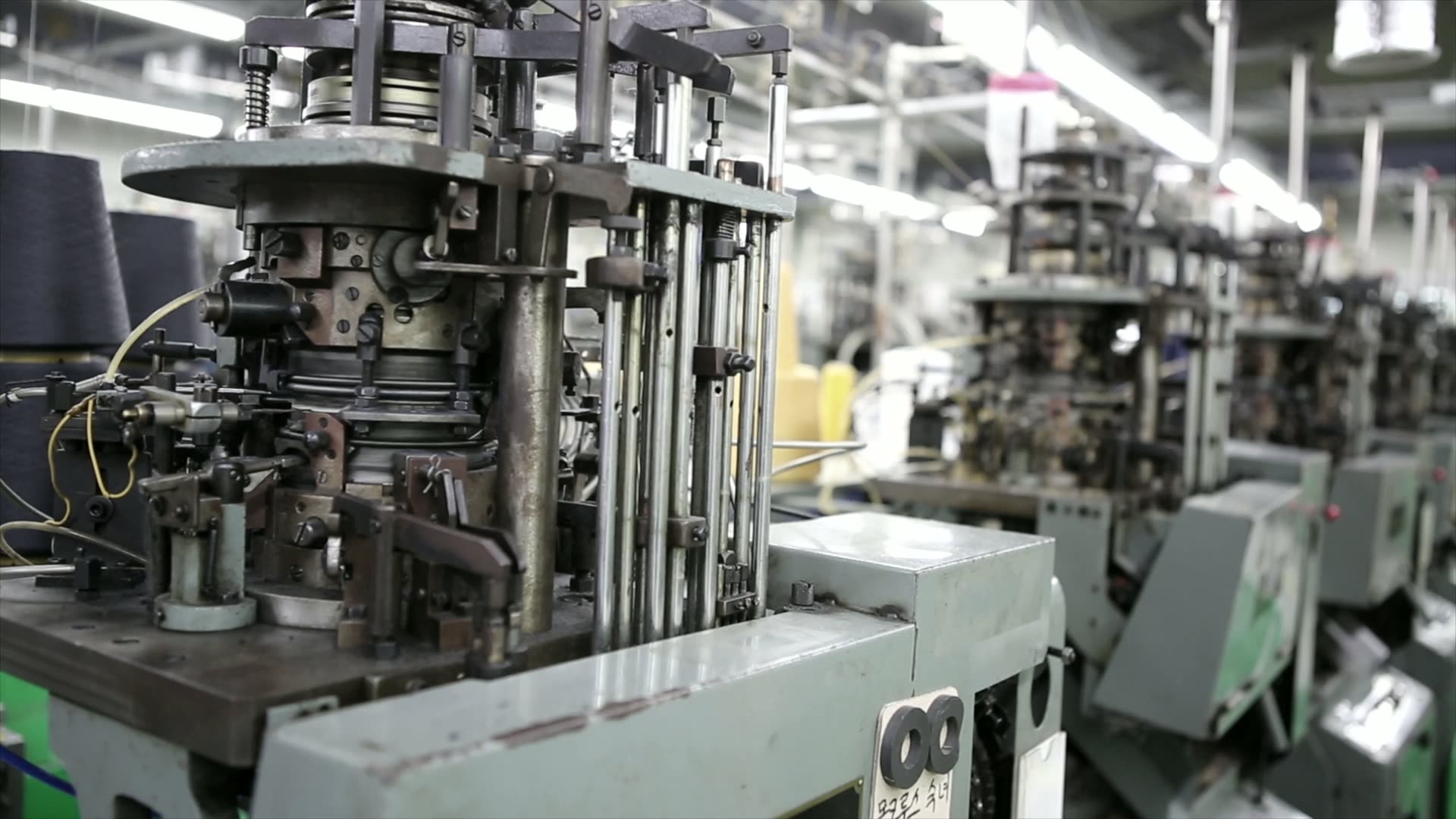
One thing should be said plainly. OEKO-TEX tells you a sock is safe. It does not tell you the sock is well made. Whether the size is right, the colour is even and the shape holds after many washes is not written on any certificate.
That part we hold to a standard of our own, the VALOR standard. Every sock passes four gates before it leaves us.
- Proto — the first prototype. We confirm that the design works as a sock and that the yarn and structure come out as intended.
- PP — the pre-production sample. Once approved, it becomes the reference for everything that follows.
- Inline — inspection during production. Socks coming off the machines are checked against the reference, and drift is caught early.
- Shipment — the final inspection before goods leave, the last look before packing.
Every order gets inline and final inspection, and SOCKVISION, the AI inspection system we developed in-house, checks each pair for defects before it is packed. Where a brand has its own restricted substances list, testing to that list is run separately.
Third-party inspection named by the buyer is welcome at any time. Inspectors can come to the factory, at the stage and in the way you prefer. We do not treat inspection as a burden. It is a second pair of eyes on the same sock, and we meet it in good faith.
The socks we make
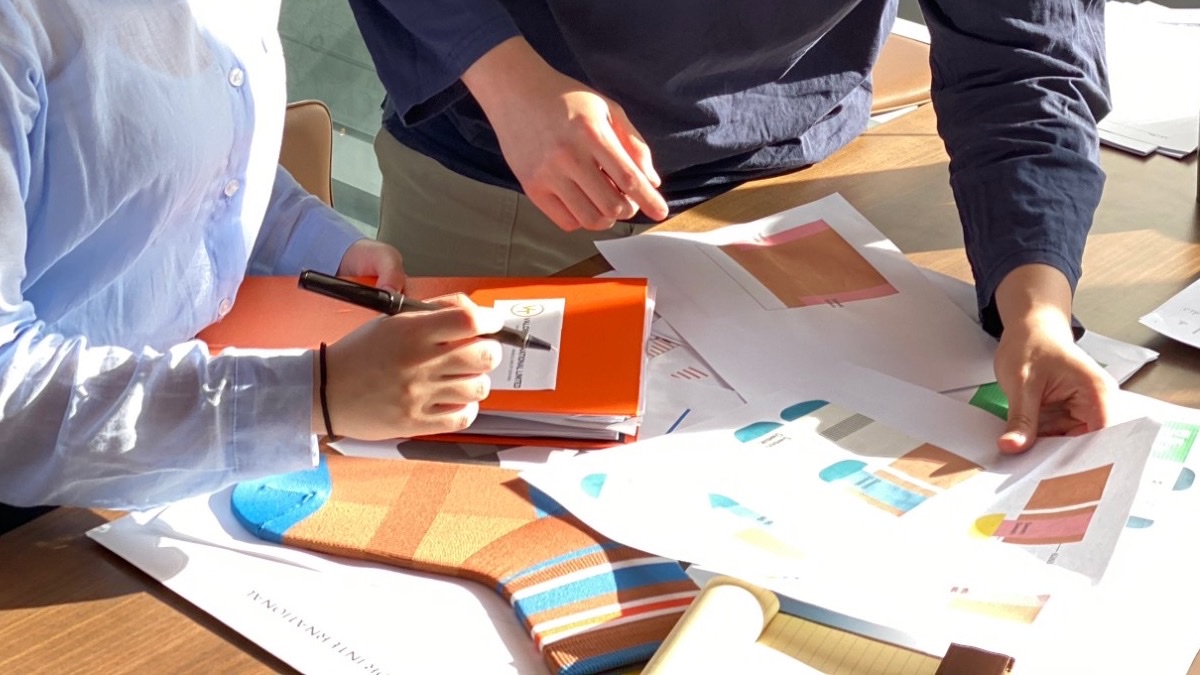
Valortex has been making socks since 2014. We knit across the full needle range, from sheer dress socks to heavy terry, and from a 10-pair sample run to 500,000 pairs a month.
- Athletic and performance — classic golf crew socks, toe socks for the yoga mat.
- Casual and lifestyle — jacquard crew socks, crew socks with three knit textures in one pair, embroidered crews, plush socks for staying in, upcycled cotton socks.
- Dress and sheer — sheer over-knee socks, open-toe half socks for sandals.
- Technical — double-layer walking socks built against blisters, midweight knee-length outdoor socks, wool double-layer thermal socks.
- Kids — a school uniform sock program.
The socks differ. The road they travel is the same. Safety is checked to the OEKO-TEX standard, quality to the VALOR standard.
In closing
A certificate is not a frame on the wall. It is a test we sit again every year. What that test does not cover is the maker's part to fill. We hold to both, and we are proud of that.
If there is a sock you want to make, send us an inquiry. Tell us the fibre content and the intended age group, and we will let you know with the quote whether the design sits inside our scope and whether any extra testing is needed.
Written by Jeon Yeon Su — reviewed by the Valortex sales team.
- OEKO-TEX
- STANDARD 100
- certification
- sock manufacturer