

Problem solving4 min read
Sock MOQ explained: why minimums exist and how to work with them
By Jeon Yeon Su · Reviewed by the Valortex sales team
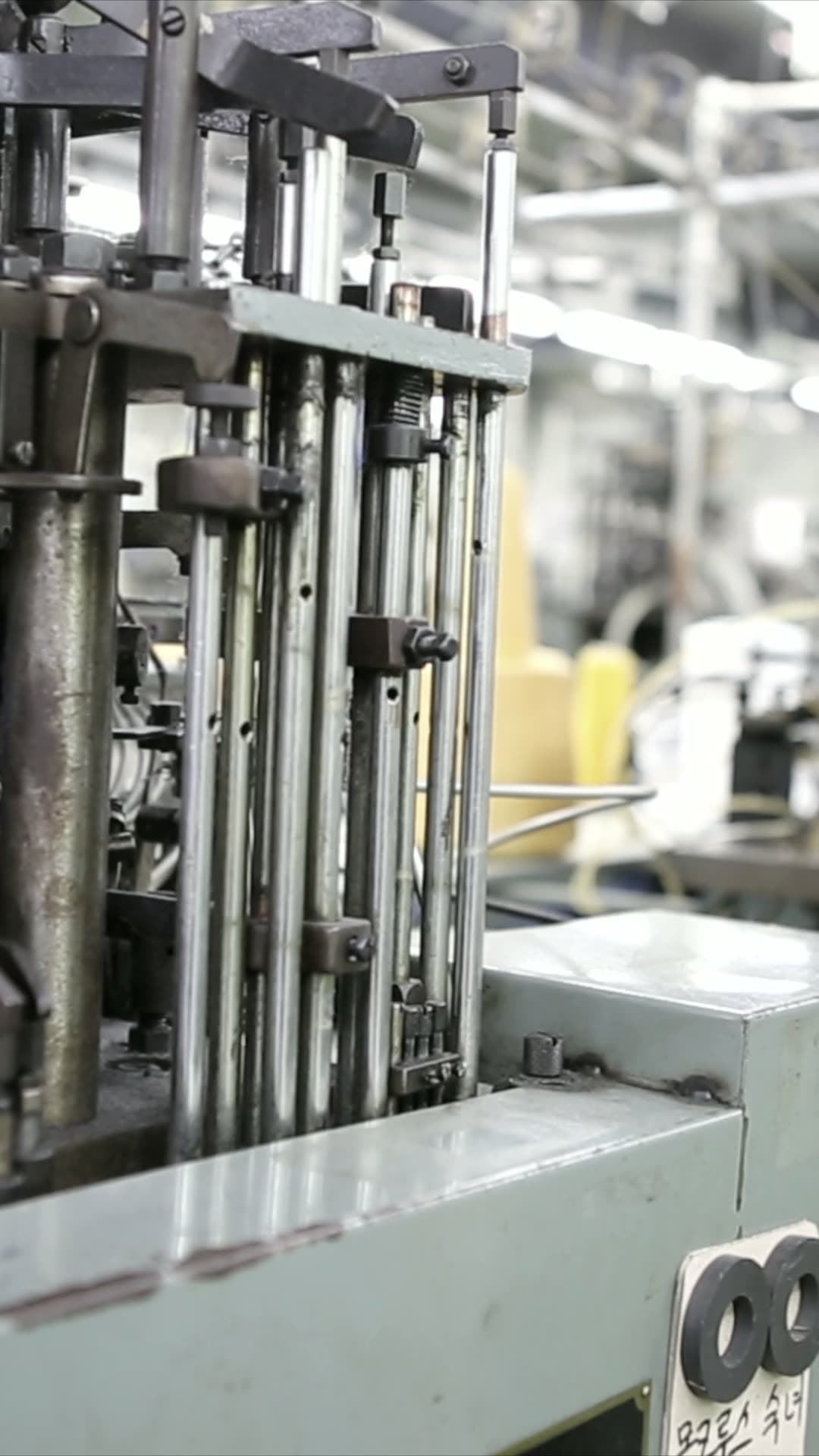
The first question a new sock brand asks a factory is rarely about design or price. It is "how many pairs do I have to order?" The answer changes from factory to factory, and from sock to sock inside the same factory, which makes it hard to plan around.
There is a reason the answer is never one number. A minimum order quantity is not a rule so much as the result of costs that do not care how many pairs you make. Once you know where those costs sit, you can also see where the minimum can come down without changing your budget.
What MOQ means: a division, not a rule
MOQ stands for minimum order quantity. On a quote it reads as "we do not take orders below this." What it usually means is "below this, the price per pair stops making sense."
Every sock style carries work that has to happen once, whatever the quantity. Yarn is dyed. A machine is set up for that design. Packaging is printed. Spread over 10,000 pairs, those costs disappear into the price. Spread over 100 pairs, they are most of the price. The minimum is the point where that division becomes acceptable.
Four places a sock minimum comes from
- Yarn dyeing. Colour is made in the yarn, not in the sock. A dye batch needs a certain weight of yarn to run at all, and every shade is its own batch. A three-colour sock means three batches; a six-colour jacquard means six. Knit only 300 pairs and the dye house still dyes its minimum, so the cost of the leftover yarn lands on those 300 pairs. On a small order this is usually the largest single driver.
- Machine set-up. Each new design means loading the pattern, threading the yarns and tuning tension and measurements. A new size means tuning again. The socks knitted while that happens cannot be sold. That time and yarn are nearly the same for 100 pairs as for 10,000.
- Trims and packaging. Sock cards, labels, hang tags, stickers and poly bags each come from a different supplier, and printers have minimums of their own. It is common to need far more cards than socks. On a small run, trims can cost more per pair than the knitting.
- Sampling, inspection and shipping. Samples, colour approval, inspection, documents and freight attach to the order, not to the pair. The smaller the order, the more of that each pair carries.
How the price moves on a small run
As quantity rises, the price per pair falls and then flattens. Once the dye minimums are met, the trim minimums are met and the set-up is spread widely enough, there is not much left to save.
Going the other way, the price does not climb gently. Below a certain point it climbs steeply. That is why a quote at one quantity tells you very little. Ask for two or three: 300, 1,000 and 3,000 pairs per style, for example. You will see where the price breaks, and often find a range where ordering a little more is clearly the better deal per pair.
For what sits inside each line of a quote, see What goes into a sock price, line by line.
Five ways to lower the minimum on the same budget
- Use fewer colours. One shade is one dye batch. Taking a five-colour design down to three releases the money tied up in yarn.
- Share colours across styles. If four designs use the same black and the same ivory, four styles share one batch. Building the whole collection from one palette is the single most effective move on a small run.
- Choose from colours already on hand. Picking from yarn that is already dyed removes the dye minimum altogether. The shade may not match your reference exactly, so this does not suit a brand with strict colour standards.
- Combine sizes. Going from four sizes to two halves the set-ups and the stock. Socks stretch, and two sizes cover a wide range.
- Standardise the packaging. Let every style share one card and tell them apart with a sticker. Knitting the logo in, instead of sewing on a label, removes the label order entirely.
You can also change the order of things. Instead of six styles at 200 pairs each, start with two styles at 600 pairs each, see how they sell, and follow with the rest. The total is the same; the price per pair is not.
How we handle minimums at Valortex
We do not set a fixed minimum. Sample runs start at 10 pairs, and programmes run to 500,000 pairs a month in the same factory.
Instead of closing the door with a number, we show you from the start how the price changes with quantity. A small run costs more per pair, and we cannot change that. What we can do at the quote stage is tell you which of the five moves above would bring it down, and by how much.
What to decide before you ask for a quote
- Number of styles, and target quantity per style
- Colours per style, and which colours the styles share
- Size range
- Packaging format and the trims you must have
- The retail price or budget you need to hit
- Whether you plan to reorder
The last one matters more than it looks. If a reorder is planned, yarn and trims left over from the first order can carry into the next, and that changes what the first order has to bear.
If none of this is settled yet, send us an inquiry with the sock you have in mind, the quantity and the budget. We will work backwards from there.
Written by Jeon Yeon Su — reviewed by the Valortex sales team.
- MOQ
- minimum order quantity
- private label socks
- custom socks
- sock sourcing